ServeBBQ: BBQ Catering in Pensacola for Weddings, Workdays, and Family Gatherings
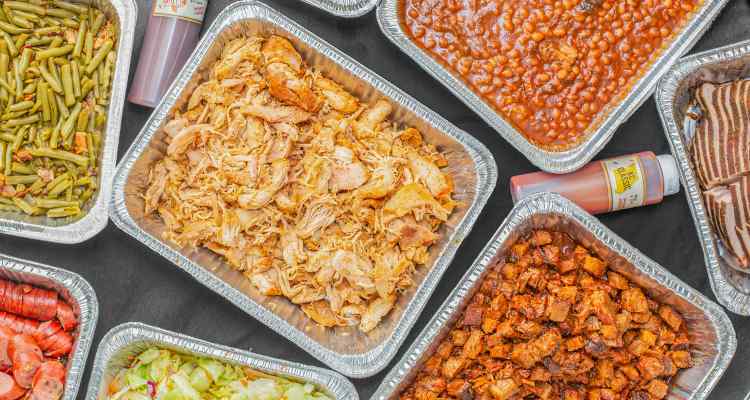
A barbecue meal gives people a reason to stop, sit down, and spend time together. For the person organizing it, however, the work starts well before the first plate is filled. There are guests to count, menus to compare, delivery details to settle, and a budget to protect. A clear plan makes those decisions manageable and leaves more room to enjoy the occasion.
ServeBBQ brings those planning decisions together for events in Pensacola and nearby communities. Whether you are arranging a working lunch, a wedding reception, or a family reunion, begin with the way the meal needs to function. Then choose the food, service, and equipment that support it. The following guide explains what to discuss, what to put in writing, and which details deserve attention before the day arrives.
Start with the Event, Then Choose the Food
A lunch between meetings has different demands from a reception with speeches, photographs, and dancing. At work, the meal may need to be available during a short break. At a family gathering, guests may arrive gradually. At a wedding, the kitchen and service team need to follow a schedule shared with other suppliers.
Write down your event date, venue, expected attendance, and intended serving time. Add any restrictions on access, parking, equipment, or cleanup. These details shape the service you need and help a caterer explain what is practical.
Identify the One Detail You Cannot Compromise On
For some hosts, it is a fixed budget. For others, it is feeding everyone before a presentation begins or providing a suitable meal for a guest with an allergy. Put that priority at the top of your inquiry. A clear requirement is more useful than asking for the best package without explaining what matters to you.
Choose a Catering Format That Fits Your Responsibilities
Pickup, delivery, and staffed catering divide the work differently. None automatically includes every item needed for a complete event. Ask who supplies serving utensils, who sets out the food, and who handles the tables afterward.
| Service format | Useful when | What the host should confirm |
|---|---|---|
| Pickup | Someone can collect and receive the order | Collection time, packaging, transport arrangements |
| Delivery | Food needs to arrive at the venue | Delivery window, access point, handover contact |
| Delivery with setup | The buffet needs arranging before guests eat | Equipment, layout, setup time, collection duties |
| Staffed catering | Guests need service throughout the meal | Staffing hours, responsibilities, replenishment, cleanup |
Be Precise About Full Service
The phrase can mean different things in different proposals. One package might include buffet attendants and clearing food equipment. Another might include table service, rentals, and more extensive cleanup. Ask for a written list rather than relying on the label.
If you choose pickup or delivery, assign a person to receive the food. That person needs the order details and the authority to resolve a missing item. The host may be busy welcoming guests when the driver arrives.
Build a BBQ Menu with Purpose
A good menu offers enough variety without making ordering and service unnecessarily complicated. Start with the main dishes, add contrasting sides, and then consider bread, sauces, drinks, and dessert. Each addition should answer a real need, such as giving guests a lighter option or accommodating a dietary requirement.
Compare Main Dishes by How Guests Will Eat
Brisket, pulled pork, chicken, and ribs are examples to discuss with a provider, not a promise of availability. Ask how each item is portioned and served. A sandwich lunch needs different packaging and accompaniments from a seated dinner with bone-in meat.
| Main dish example | Practical serving question | Planning consideration |
|---|---|---|
| Sliced brisket | Are portions served by weight or by person? | Slicing and replenishment arrangements |
| Pulled pork | Are buns and sauces included? | Sandwich service versus plated service |
| Chicken | Which cuts and portion sizes are offered? | Bone-in portions and guest preferences |
| Ribs | How many pieces make up a serving? | Plate space, napkins, and cleanup |
| Meat-free main | Is it a complete meal or only a side? | Ingredients and preparation arrangements |
Give the Sides Their Own Job
Avoid choosing several sides simply because they are familiar. Think about contrast: something crisp, something substantial, and an option that suits guests who want a lighter plate. Ask about ingredients in dressings, beans, vegetables, and sauces. A dish that sounds vegetarian may contain meat stock, bacon, or another ingredient a guest avoids.
Keep sauces and toppings separate when that suits the menu. This gives guests more control over flavor and portion size. It does not, by itself, make a meal safe for someone with an allergy; preparation and handling still need a separate discussion.
Match the Meal to the Occasion
The same food can work across several types of gathering, but the service arrangement usually needs adjustment. Look at the movement of people, the available eating space, and how long guests can spend at the buffet.
| Occasion | Main planning priority | Detail to settle early |
|---|---|---|
| Office lunch | Serving within the available break | Meeting schedule and building access |
| Wedding reception | Coordinating food with the event timeline | Venue contact and service responsibilities |
| Family reunion | Accommodating different ages and arrival times | Seating, portions, and serving period |
| Graduation party | Managing an informal flow of guests | Attendance estimate and replenishment |
| Community gathering | Keeping service organized | Queue layout and volunteer responsibilities |
| Team celebration | Feeding a group after an activity | Arrival time and an agreed headcount |
For a business meal, ask whether guests will eat together or collect food in shifts. For a reception, discuss how speeches or photographs could affect the serving time. For a community event, identify who will answer guests’ questions when the organizer is occupied elsewhere.
Plan Portions from a Confirmed Headcount
An invitation list is a starting point, not a final order quantity. Separate confirmed guests from possible attendees. Include children, event staff, performers, or suppliers only where you have agreed to provide their meals.
Give the caterer the full menu before asking for portion advice. The quantity needed depends on the combination of dishes, the style of service, and whether the barbecue is the main meal or one part of a larger spread. Buying an arbitrary amount of every dish can leave you with a badly balanced order.
| Headcount factor | Information to provide | Why it changes the order |
|---|---|---|
| Confirmed attendance | Number of people expected to eat | Establishes the base quantity |
| Children | Ages or agreed children’s meal count | Allows suitable portion planning |
| Other food | Appetizers, additional mains, or dessert | Changes the overall meal balance |
| Serving format | Buffet, individual meals, or sandwiches | Affects portion control and packaging |
| Dietary meals | Number and agreed requirements | Prevents special meals being overlooked |
| Extra allowance | A clearly agreed contingency | Makes the cost of uncertainty visible |
Set a Deadline for Changes
Ask when the final guest count becomes binding and what happens if attendance changes afterward. Keep a dated copy of the confirmed number. If you revise the order, request an updated summary so the food quantities, price, and staffing all reflect the same version.
Avoid treating leftovers as proof that an order was successful. The useful goal is to feed the expected group comfortably with an intentional allowance, rather than paying for food nobody planned to use.
Compare the Complete Cost
A price per person is helpful only when you know what it includes. A lower food price can produce a higher final bill if delivery, service, equipment, and supplies are charged separately. Compare the complete proposal against your actual event requirements.
Tell providers whether your budget is a food budget or an overall catering budget. If your limit includes taxes and other charges, say so at the beginning. This lets them suggest realistic combinations instead of presenting a package that becomes unaffordable at checkout.
| Cost category | Question to ask | Detail to record |
|---|---|---|
| Food | What is included in the quoted quantity? | Menu, portions, and substitutions |
| Delivery | Is there a separate delivery charge? | Address and delivery window |
| Staffing | Which duties and hours are covered? | Arrival, service, and departure times |
| Equipment | What is supplied, rented, or returned? | Item list and collection terms |
| Tableware | Are plates, utensils, and napkins included? | Quantities and item types |
| Additional charges | What taxes or other fees apply? | Itemized final estimate |
Change the Plan Before Cutting Essential Details
If the quote exceeds your budget, first consider the number of menu choices and the level of service. A simpler menu may fit your event better than removing equipment or assistance you actually need. Ask the provider to explain the practical effect of each proposed change.
Record deposits, payment dates, and cancellation terms separately from the menu. Those conditions determine what happens when plans change; they should be understood before any payment is made.
If two proposals use different quantities, ask each provider to explain the difference. One may count a main dish for every guest, while another divides the expected demand between several choices. Neither approach can be compared fairly without that explanation. The same applies to staffing: an attendant assigned to refill a buffet is not necessarily available to clear tables or serve drinks. Check the work included before comparing the price attached to it.
Work Backward from the Serving Time
Delivery time, setup time, and mealtime are different appointments. Food arriving at the moment guests expect to eat may leave no time to check the order or arrange the buffet. Agree on the sequence with both the caterer and the venue.
There is no single booking deadline that suits every event. Availability depends on the date, group size, menu, and service requirements. Ask about capacity as soon as the basic event details are known, then follow the provider’s actual confirmation deadlines.
| Planning stage | Action | What should be agreed |
|---|---|---|
| Initial inquiry | Share the event brief | Date, venue, guest estimate, service format |
| Proposal review | Compare scope and costs | Menu, responsibilities, itemized estimate |
| Booking | Confirm the provider’s requirements | Acceptance, payment terms, cancellation terms |
| Final preparation | Update operational details | Headcount, dietary meals, access instructions |
| Event day | Receive and check the order | Named contact and serving arrangements |
| After service | Complete agreed handover tasks | Equipment returns and remaining responsibilities |
Keep One Written Event Summary
Use a single document for the confirmed menu, quantities, address, contact names, and schedule. Send revisions clearly rather than scattering changes across separate messages. A short, accurate summary is easier to use than a long conversation containing several outdated decisions.
Check the Venue Before Choosing Equipment
A catering plan should describe where the food goes after it arrives. Walk through the route from the unloading area to the serving space. Consider doors, stairs, elevators, parking restrictions, and the distance equipment must travel.
For events in Pensacola or nearby places such as Gulf Breeze, Pensacola Beach, Perdido Key, Cantonment, Pace, Milton, or Navarre, give the exact venue address. Mention any access instructions supplied by the venue. A town name alone does not tell a provider how to reach the serving area or whether a delivery fits its schedule.
| Venue detail | What to check | Who should confirm it |
|---|---|---|
| Vehicle access | Where unloading is permitted | Venue representative |
| Entry route | Doors, stairs, elevators, and distance | Host and catering provider |
| Serving area | Table space and guest circulation | Host and service lead |
| Equipment rules | Approved warming or cooking equipment | Venue representative |
| Outdoor arrangements | Shelter and an alternative location | Host and venue representative |
| Cleanup | Waste handling and equipment collection | Host and catering provider |
If the venue has controlled entry, ask which information must be provided in advance. Do not assume a driver can resolve admission requirements on arrival. Share the approved instructions with the person responsible for delivery and keep an event contact available by phone.
Discuss Dietary Requirements Before Finalizing the Menu
Ask guests about dietary needs early enough to discuss practical options with the provider. Distinguish preferences from allergies and other requirements that need specific handling. A request for a meat-free meal is different from a request involving cross-contact with an allergen.
Ask About Ingredients and Preparation
The provider should explain what it can confirm about the proposed dishes and preparation arrangements. Do not infer suitability from a dish name, photograph, or missing ingredient on a short menu description. Sauces, marinades, garnishes, and shared equipment can matter.
Share only the information needed to arrange the meal. In many cases, a counted requirement is more useful than circulating a guest’s personal medical details. Agree on how any separate meals will be identified and handed to the intended guests.
If a provider cannot confidently accommodate a requirement, resolve an alternative before the event. Do not leave the guest to discover the problem at the buffet.
Make the Serving Area Easy to Use
Imagine approaching the food with a plate in one hand. Can guests see the choices? Is there enough room to move? Does the arrangement keep drinks, sauces, and utensils from creating a queue at the first dish?
Keep practical information close to the relevant item. Accurate dish labels help guests understand what is available, while ingredient questions should go to a designated person who has reliable information. Labels should reflect confirmed details rather than guesses made during setup.
Before service begins, check these basics:
- The delivered items match the confirmed order.
- Each dish has the appropriate serving utensil.
- Separate meals are clearly identified and accounted for.
- Plates, napkins, and utensils are accessible.
- Drinks have a suitable location that does not obstruct food service.
- The person managing replenishment knows when service starts and ends.
- Any food handling or leftover instructions have been handed to the responsible person.
Food storage and handling should follow the provider’s instructions and applicable food safety guidance. Agree in advance who is responsible after delivery or after the catering team leaves.
Send an Inquiry That Gets a Useful Answer
A detailed inquiry reduces follow-up and makes the first proposal more relevant. It does not need to be long. Include the decisions you have already made and identify the points where you need advice.
Prepare the following information:
- Event date and intended serving time.
- Venue address and any known access restrictions.
- Event type and estimated guest count.
- Preferred service format.
- Menu interests and dietary requirements.
- Budget range and what that budget must cover.
- Equipment, supplies, or staff you expect the provider to supply.
- Name and contact details of the person coordinating the order.
Ask for written confirmation of availability, inclusions, total estimated charges, and booking conditions. An inquiry begins the conversation; the provider’s stated acceptance process determines when an order is confirmed.
Contact ServeBBQ
For website questions or an initial event inquiry, use the following contact details:
Email: [email protected]
Telephone: +1 850-712-7752
Address: 901 E La Rua St, Pensacola, Florida 32501, United States
Include your name, event date, estimated guest count, venue, and preferred service format. Explain which details are confirmed and which remain open. If you have a fixed budget, specify whether it must cover delivery, staffing, equipment, and taxes as well as the food.
An initial message does not reserve a date or confirm a price. Any catering arrangement needs written acceptance from the provider responsible for the order. Keep the accepted proposal and final event summary together so that both sides have a clear record of the agreed services.
FAQ
How far in advance should I arrange BBQ catering?
Contact a provider once you know the event date, approximate attendance, and venue. Ask about availability for that specific combination. Large events, particular dates, and staffed service may need more coordination, but the provider should give the actual booking and final-order deadlines.
Is delivery the same as full service catering?
No. Delivery may cover only transportation and handover. Setup, buffet management, table service, equipment removal, and cleanup need to be specified separately. Read the proposal’s list of responsibilities before deciding which format fits your event.
How much barbecue should I order per person?
Ask the caterer for a recommendation based on your confirmed guest count, selected menu, and serving format. Bone-in dishes, sandwiches, multiple main dishes, and additional food all affect the calculation. Confirm whether quoted quantities refer to raw ingredients, cooked food, or individual servings.
Can BBQ catering work for a wedding?
Yes, provided the menu and service arrangements suit the reception. Discuss the venue rules, presentation, staffing, dietary meals, and timing alongside the food. Coordinate the meal with speeches, photographs, and other scheduled activities.
Can dietary requirements be accommodated?
That depends on the provider, ingredients, and preparation environment. Describe the requirement accurately and ask what can be confirmed. Do not treat a vegetarian label, a separate sauce, or an omitted ingredient as an assurance about allergen cross-contact.
What should a catering quote include?
Look for the menu, quantities, service format, delivery details, staffing, equipment, supplies, itemized charges, payment terms, and cancellation conditions. The proposal should also identify the deadlines for changing the guest count or menu.
What happens if the guest count changes?
Contact the provider promptly and refer to the agreed change deadline. Request written confirmation of revised quantities and costs. Do not assume that an increase can always be accommodated or that a late decrease automatically reduces the bill.
What should I confirm immediately before the event?
Review the final headcount, menu, delivery address, access route, setup time, serving time, and day-of contact. Check who receives the food, manages service, and handles equipment afterward. Everyone involved should be working from the same current event summary.